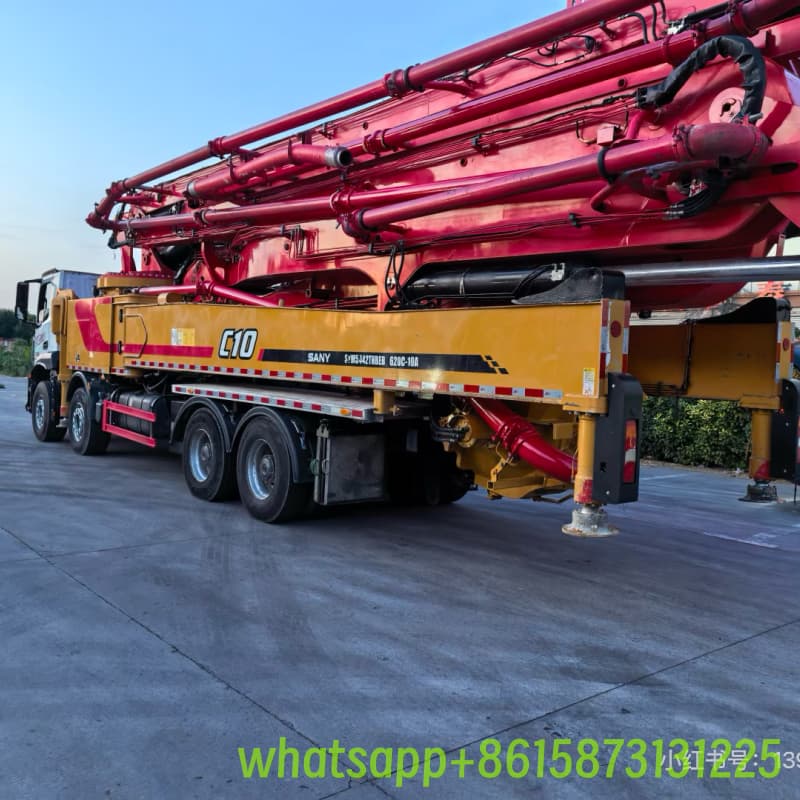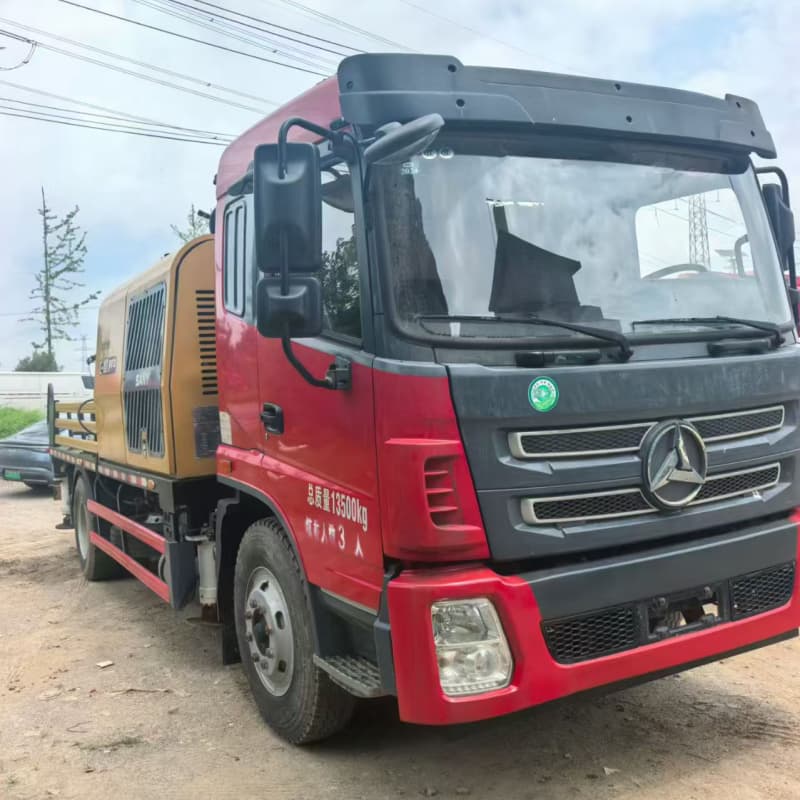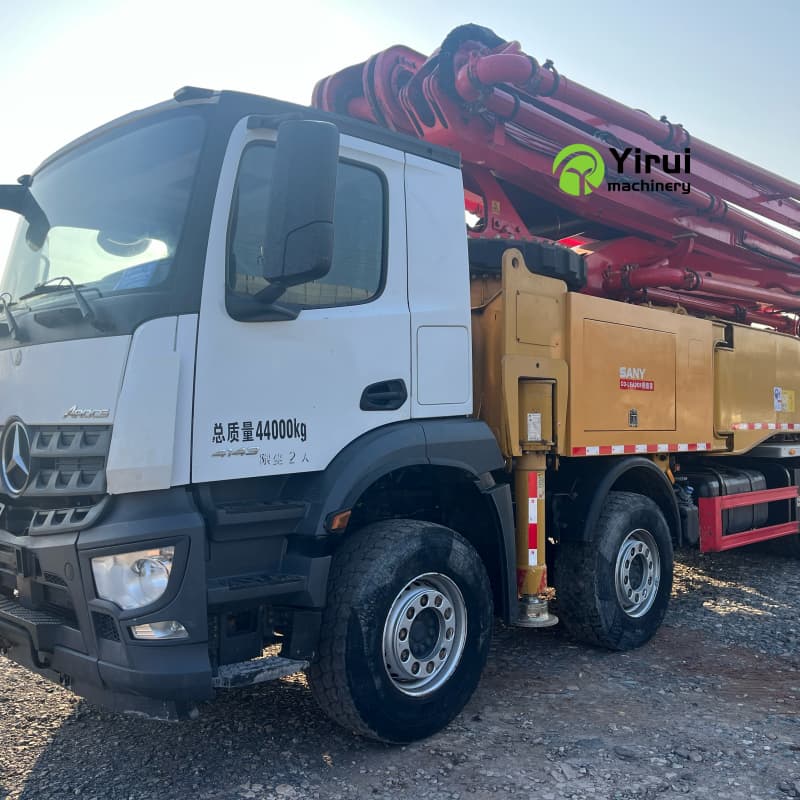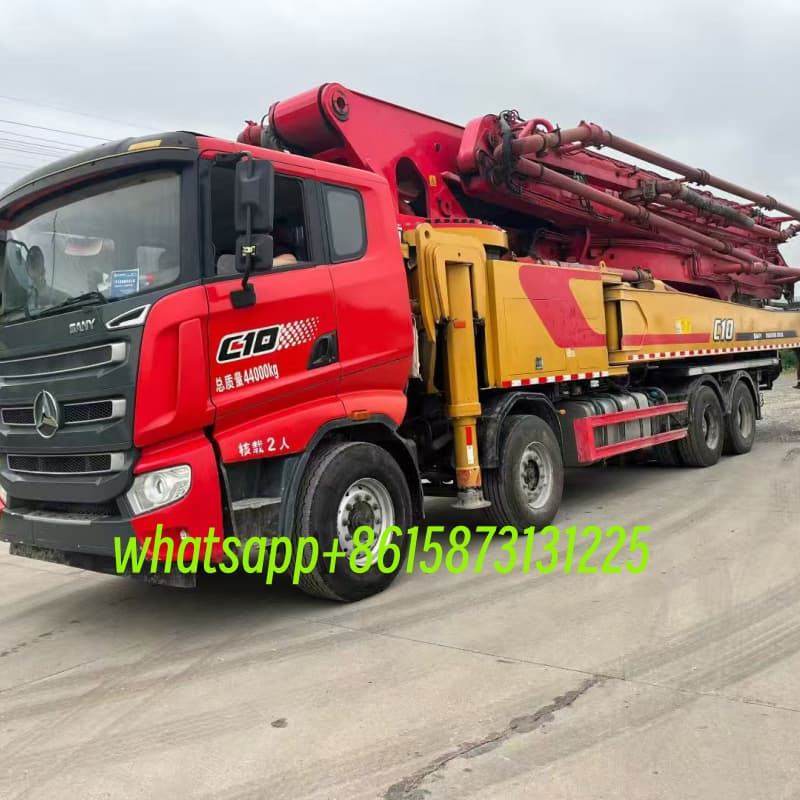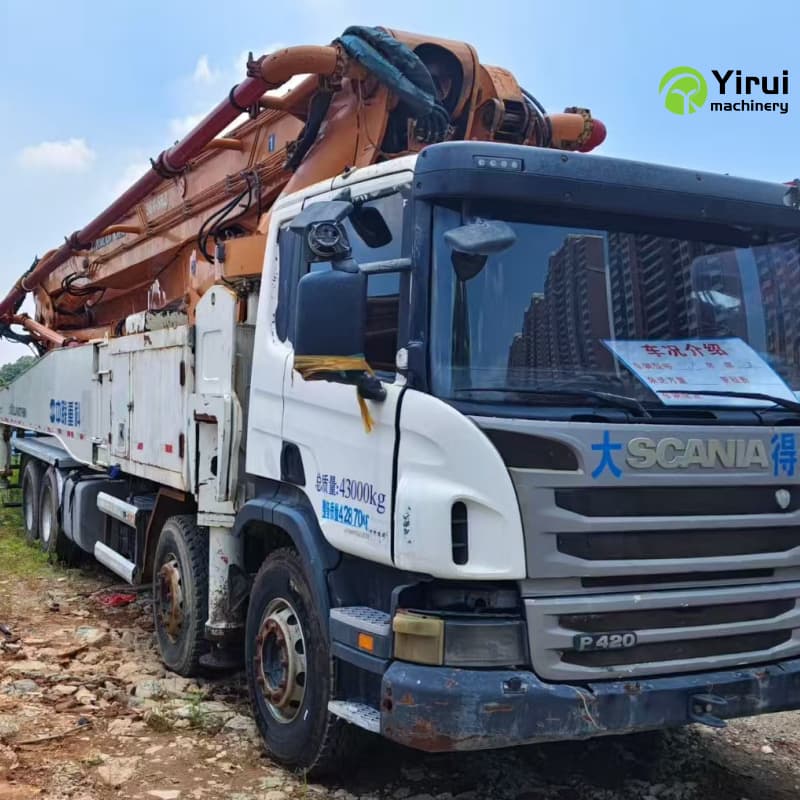

The core approach to maintaining a concrete pump truck can be summarized as:
Daily cleaning and inspection + scheduled oil changes and maintenance + close monitoring of critical structural and pumping components.
Whether you operate a SANY concrete pump, Zoomlion concrete pump, or another brand of concrete pump truck, following a proper maintenance routine can help prevent unexpected failures and reduce long-term operating costs.
For concrete pump trucks, China has a dedicated national standard, GB/T 41495-2022 — Specifications for Maintenance, Repair and Scrapping of Concrete Pump Trucks. The following guide provides a practical overview of important daily and periodic maintenance procedures.
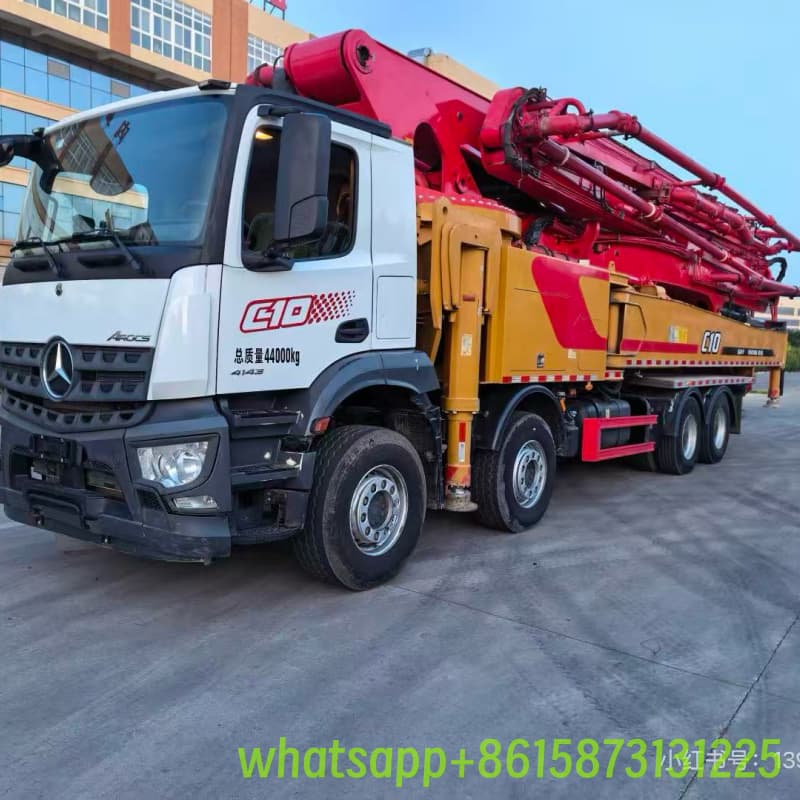
Daily maintenance should be performed before operation and after each pumping shift. Regular inspection
The concrete pump truck should be thoroughly cleaned before and after operation.
Pay particular attention to the hopper and pumping system. Concrete residue should not be allowed to accumulate inside the hopper, as hardened concrete can increase wear on the lower section of the S-valve pipe and may eventually cause damage.
After pumping is completed, clean the hopper, delivery system and other areas where concrete or cement slurry may remain.
Before starting the pump truck, check the grease reservoir of the manual lubrication pump and make sure it contains sufficient grease.
Operate the lubrication pump handle and check whether clean grease reaches the agitator bearings and the large and small shaft ends of the S-valve pipe.
During operation, the lubrication pump handle should generally be operated approximately 10 times every hour, depending on the equipment manufacturer’s maintenance instructions.
Proper lubrication is particularly important for components that experience continuous movement and high loads.
Check the hydraulic oil level before operating the concrete pump truck.
Make sure:
Low or contaminated hydraulic oil can negatively affect hydraulic system performance and may lead to premature component wear.
Before pumping concrete, fill the water box with clean water.
During operation, monitor the water temperature. If the temperature becomes excessively high, replace the water in time.
The condition of the water can also provide useful information about piston seal wear. Cloudy or heavily contaminated water may indicate wear of the concrete piston seals.
After pumping is completed:
Regular inspection of the water box is an important part of concrete pump maintenance.
Perform a visual inspection of the major structural components before operation.
Check the:
Look carefully for deformation, cracks, broken welds or other abnormalities, especially around the heat-affected zones of welded structures.
The boom tower mounting bolts should also be checked for looseness, damage or breakage.
In addition to daily inspections, concrete pump trucks require maintenance according to operating hours and service intervals.
Maintenance intervals may vary depending on the manufacturer, model, operating environment and actual working conditions. Always refer to the specific equipment manufacturer’s service manual.
For the first maintenance interval, replace the hydraulic oil and filters after approximately 500 pumping hours or six months, whichever comes first.
After that, perform maintenance according to the manufacturer’s recommended interval, such as approximately every 1,200 pumping hours.
Regular hydraulic oil maintenance helps maintain stable hydraulic pressure and protects hydraulic pumps, valves and other components.
The gear oil of the reducer should generally be replaced after the first 100 operating hours or one month.
After the initial replacement, replace the gear oil approximately every 500–1,000 operating hours or six months, depending on the manufacturer’s requirements.
In addition:
The slewing reducer and slewing bearing are critical components of a truck-mounted concrete pump boom.
The gear oil should generally be replaced every 500 operating hours.
The slewing bearing should be lubricated regularly through its grease fittings. A weekly lubrication schedule can be used as a general reference, but the manufacturer’s service manual should always take priority.
If mounting bolts are found to be loose, damaged or abnormal, stop operation and repair or replace the affected components before continuing construction.
For the transfer case, replace the SAE 90 GL-4 transmission oil approximately every 500 pumping hours or six months, according to the equipment manufacturer’s requirements.
The connecting bolts and mounting bracket bolts should also be checked regularly, with weekly inspection recommended as a general reference.
The manual grease pump and lubrication system should be cleaned approximately every 500 operating hours.
Keeping the lubrication system clean is important because dust, dirt and corrosive substances can contaminate the grease and reduce lubrication effectiveness.
Different components require different lubrication intervals.
As a general reference:
The exact maintenance schedule should always be adjusted according to the specific model, working environment and manufacturer’s recommendations.
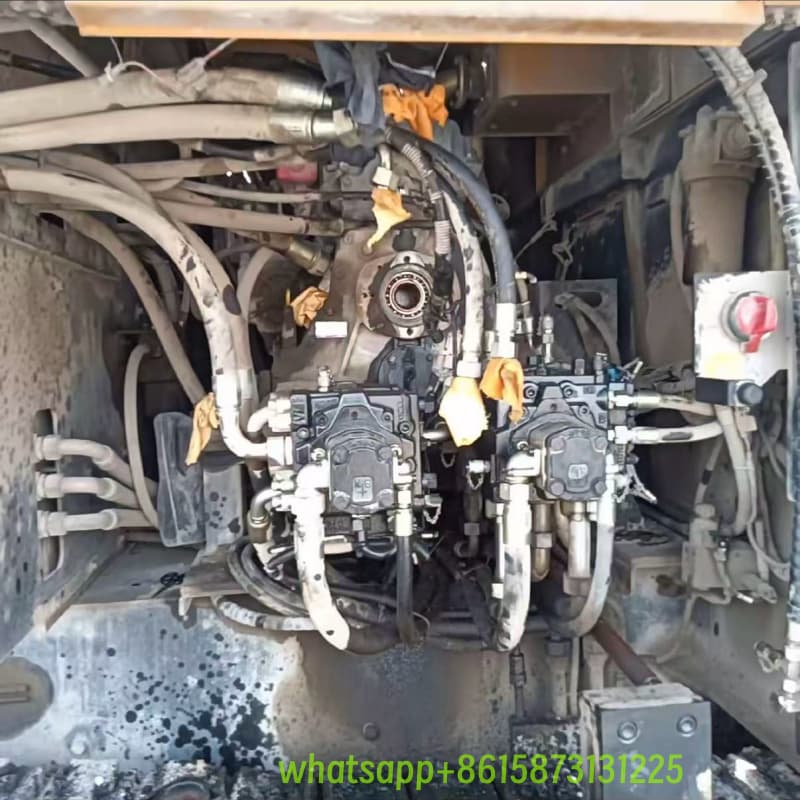
Some components of a concrete pump truck experience particularly high wear or structural loads. These components should receive special attention during routine maintenance.
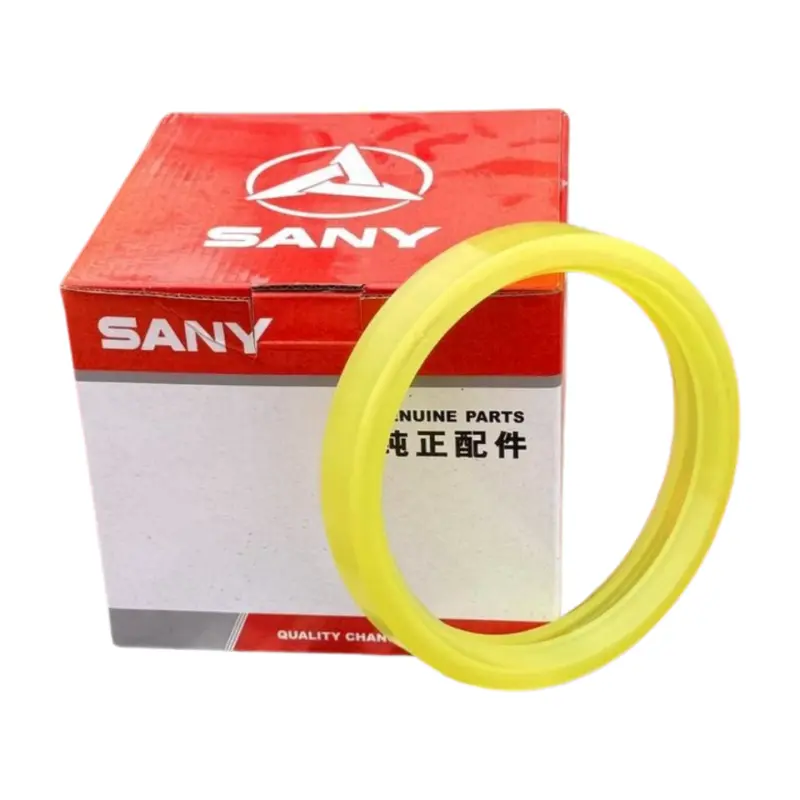
The S-valve pipe, wear plate and cutting ring are among the most important wear components in a concrete pumping system.
Check the clearance between the cutting ring and wear plate regularly.
When the cutting ring becomes worn, it may be possible to rotate it by 90 degrees to extend its service life, provided this procedure is permitted by the equipment manufacturer’s maintenance instructions.
The transition sleeve between the wear plate and delivery cylinder should also be inspected.
If the transition sleeve is severely worn and its height becomes lower than that of the delivery cylinder, it should be replaced promptly. Excessive wear can negatively affect the service life of the delivery cylinder.
The pumping system should be inspected regularly for abnormal conditions.
Check:
The adjustment clearance between the distribution valve and wear plate must comply with the equipment manufacturer’s specifications.
If the cutting ring has exceeded its allowable wear limit, it should be replaced.
The boom is one of the most important structural components of a truck-mounted concrete pump.
Regularly inspect the boom for:
If boom deformation exceeds 3‰, or if fatigue cracks are found in critical structural components, professional inspection and repair should be carried out.
A concrete pump truck with significant structural defects should not continue operating.
For concrete pump trucks that have been in service for more than 10 years, special inspections should be carried out periodically according to applicable standards and manufacturer requirements.
Where applicable, inspections should be performed by a qualified testing organization with the required CMA accreditation.
Regular lubrication, oil replacement and wear-part inspection can reduce unnecessary component wear and extend the service life of the pumping system, hydraulic system and boom.
Identifying worn cutting rings, damaged seals, hydraulic leaks or loose structural bolts early can prevent unexpected equipment breakdowns during construction.
A properly maintained pumping system can provide more stable concrete delivery and reduce the risk of blockages and abnormal operation.
Structural components such as the boom, turntable and outriggers are critical to safe operation. Regular inspection can help identify structural problems before they become serious safety risks.
For operators and fleet managers, the following checklist can be used as a quick reference:
Before Operation
During Operation
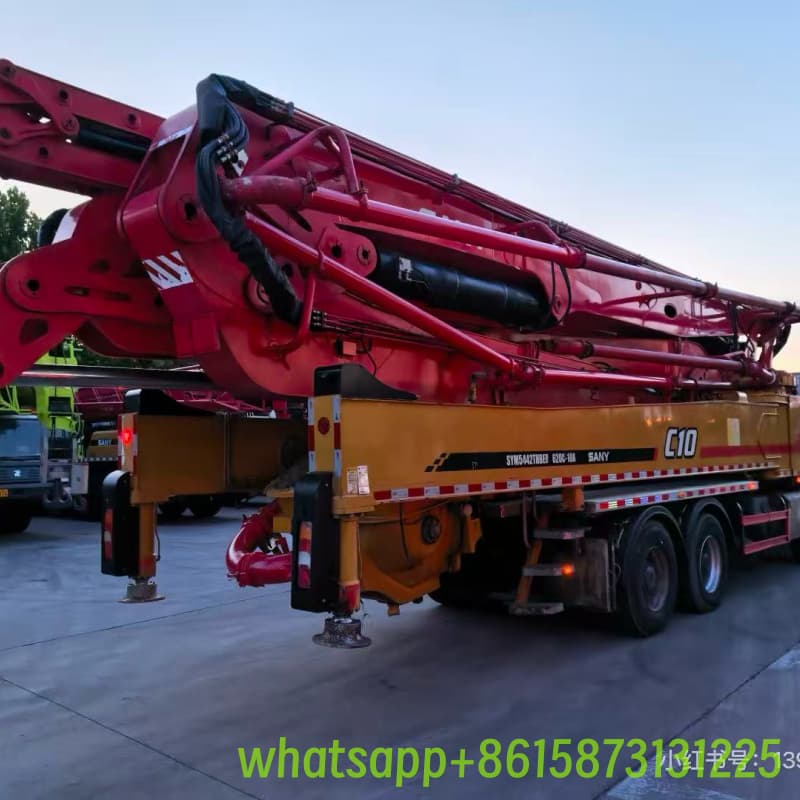
A good concrete pump truck maintenance program should combine daily cleaning, regular inspection, scheduled lubrication and oil changes, and detailed monitoring of critical wear and structural components.
For used concrete pump trucks, maintenance is even more important. Before purchasing a used SANY, Zoomlion or other brand of concrete pump truck, buyers should pay particular attention to the working hours, pumping system, hydraulic system, boom condition, wear parts, maintenance history and overall structural condition.
Following a systematic maintenance schedule can help keep a concrete pump truck operating efficiently, safely and reliably while reducing long-term maintenance costs.
Important: The maintenance intervals and procedures above are general guidelines. Always follow the specific manufacturer’s operation and maintenance manual and the applicable local safety regulations for the exact concrete pump truck model.
After Operation
Periodic Maintenance